
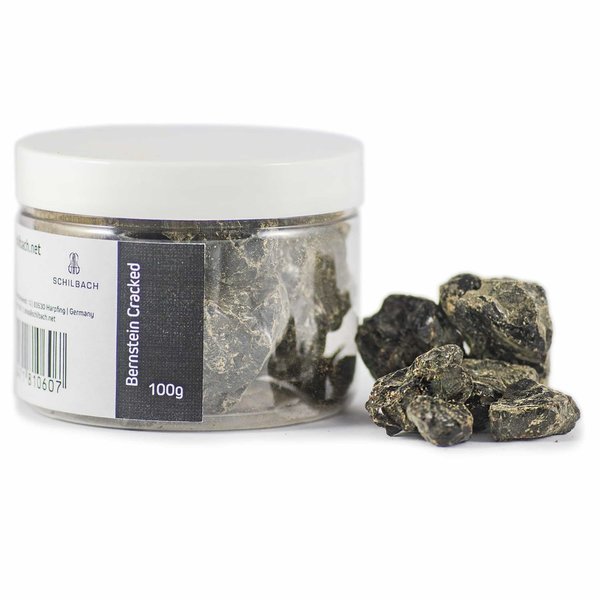
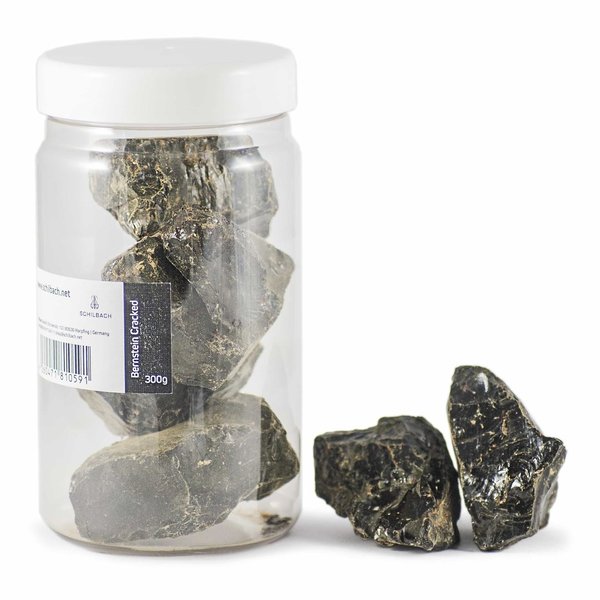
SCHILBACH Amber Cracked | Pyrogenic | for amber varnish
from €22.28
Description
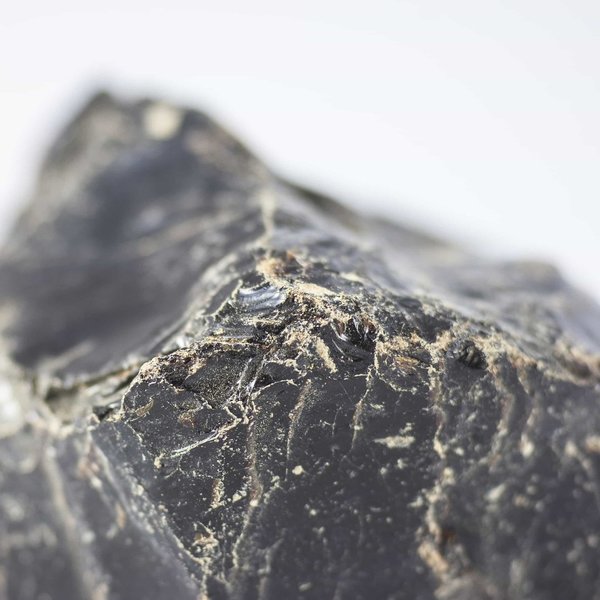
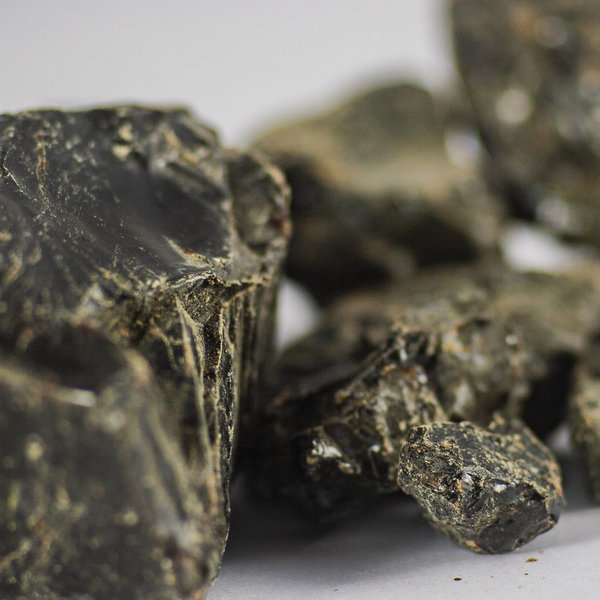
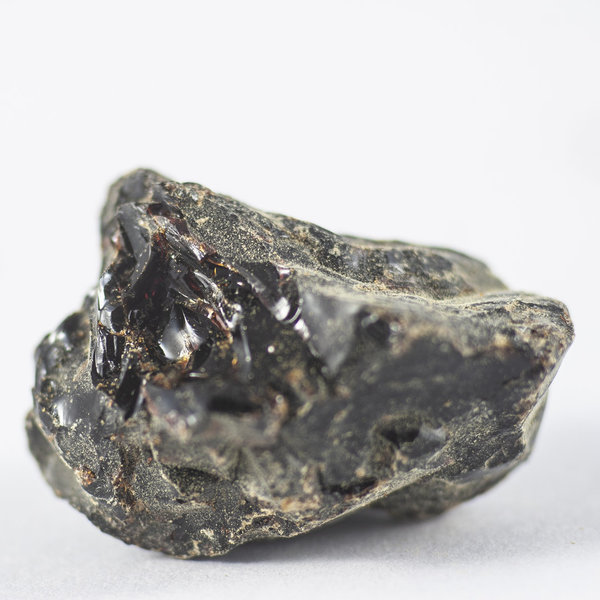
Pyrogenic Amber Cracked get used similar to rosin, boiled with linseed oil, make your violin or amber varnish.
Pre-dissolved, pyrogenic amber cracked for the best violin varnishes
This Amber Cracked is intended for the production of amber varnish. It allows a quicker amber varnish production and a much easier handling for the best violin varnish.
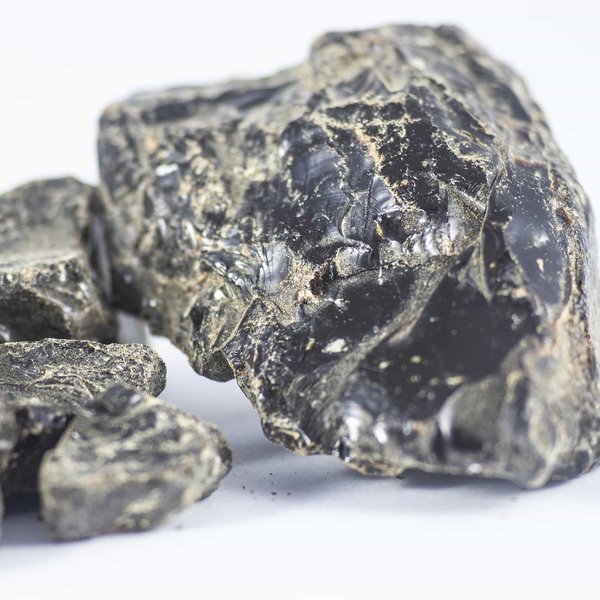
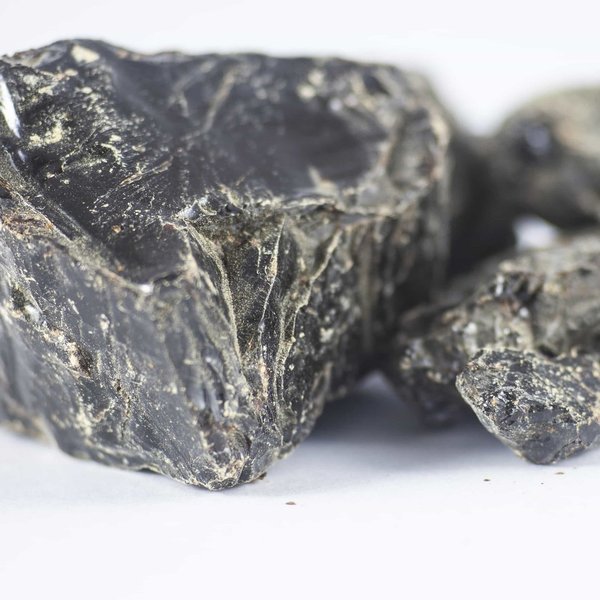
These brown, brittle amber resin crystals are used for the production of amber varnish and, like rosin, boiled with linseed oil can be used for the production of violin varnish.
Pyrogenic amber
This amber is "pre-cracked" in a complex pressure-distillation process. It is freed from impurities and a uniform pyrogenic amber "crystal" is created.
In its original state, amber has a melting temperature of 290° C to 300° C and decomposes in the process. These high temperatures normally have to be reached in the manufacture of amber varnish, but must not be exceeded in order for it to form a compound with the oil. At the same time, turpentine oil, which is also used in this process, has a low flash point of only 50° C. This manufacturing process can lead to dangerous deflagration.
Handling for your amber varnish
Due to its pretreatment, Amber Cracked has a significantly lower melting range than the original amber.
This allows a much faster and simpler manufacturing process, easier dissolving in the oil and reduces the risk of deflagration.
Linseed oil produces small bubbles at around 200°C - 220°C. This is the time when linseed oil and amber cracked can be mixed well.
To add turpentine oil, the mixture must be cooled further to approx. 70°C, while the turpentine oil must also be heated to 70°C in a water bath. Then you can bring both substances together so that a homogeneous mass is created.
- Original baltic amber
- Made in Germany